
Favorite Tools And Materials For Successful Tar And Chip Installations
Browse through trusted products favored by professionals to ensure a durable and smooth tar and chip surface for your roadway or driveway.
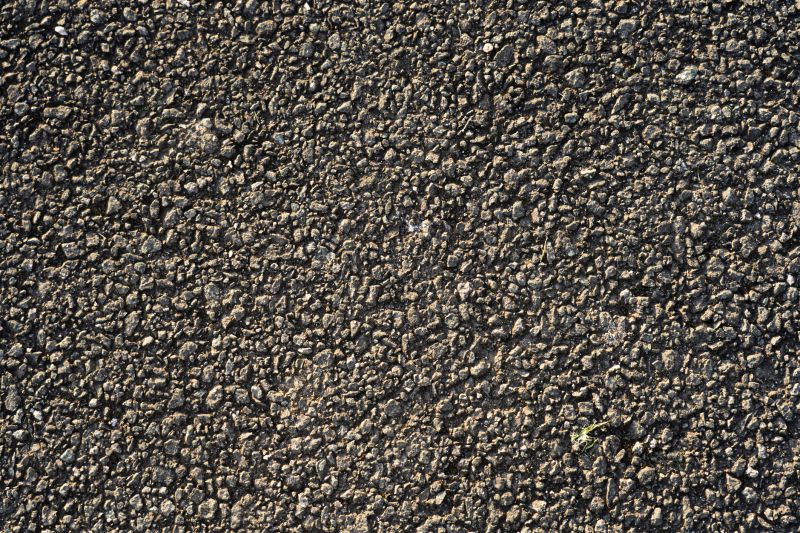 Products designed for tar and chip installations encompass a variety of materials and tools essential for creating durable and effective road surfaces. These products typically include aggregate materials, tack coats, sealants, and specialized equipment that facilitate proper adhesion and longevity of the surface. Selecting the right combination of products is crucial for achieving a smooth, stable, and long-lasting finish that can withstand traffic and weather conditions.
Types of Products For Tar And Chip Installations
Aggregate Materials
Various sizes and types of crushed stone or gravel used to create the surface texture and stability.
Tack Coats
Adhesive liquids or emulsions that bond the aggregate layer to the base surface.
Surface Sealants
Protective coatings applied over the surface to enhance durability and resist moisture.
Asphalt Emulsions
Liquid asphalt products used as binders for aggregate layers and surface treatments.
Crack Fillers
Materials used to repair and seal cracks before applying tar and chip layers.
Spray Applicators
Equipment designed for even application of tack coats and sealants on large surfaces.
Spreaders
Tools used to distribute aggregate evenly across the prepared surface.
Compactors
Machines used to compact the aggregate layer for stability and longevity.
Primer Adhesives
Pre-treatment products that improve adhesion between layers.
Edge Restraints
Materials used to define the edges and prevent aggregate from spreading.
Drainage Additives
Products incorporated to enhance water runoff and prevent pooling.
Color Enhancers
Additives that provide color or surface appearance enhancements.
Vapor Barriers
Layers installed beneath the surface to prevent moisture migration.
Leveling Compounds
Materials used to smooth out uneven surfaces before final application.
Edge Sealants
Products to seal and protect the edges of the tar and chip surface.
Popular Choices
A commonly used aggregate mixture suitable for a variety of tar and chip projects, offering ease of application and dependable performance.
Widely used tack coat that provides reliable adhesion between layers, facilitating a cohesive surface.
Sealants enhanced with polymers to improve flexibility and resistance to cracking.
Versatile asphalt emulsion used as a binder or surface treatment in tar and chip applications.
Popular for pre-treatment, these compounds help fill and seal cracks prior to surface application.
Manual or motorized tools favored for their efficiency in distributing aggregate evenly.
Commonly used compactors that ensure proper settling of the aggregate layer.
Popular primer products that improve adhesion between layers and prepare the surface.
Selected for its ability to facilitate water runoff and prevent pooling issues.
Color-enhancing additives that are trending for aesthetic surface finishes.
Frequently used beneath the surface to prevent moisture intrusion and prolong lifespan.
Popular for defining and protecting the edges of tar and chip surfaces.
The process often begins with the preparation of the base surface, where quality aggregates are applied to provide stability and texture. Tack coats or bonding agents are then used to adhere the aggregate layer to the underlying surface, ensuring cohesion and reducing the risk of shifting or erosion over time. Additional sealants or surface treatments may be applied to protect the surface from moisture infiltration and to enhance durability.
Depending on the scope of the project, various tools and equipment such as spreaders, rollers, and applicators are employed to ensure even distribution and proper compaction of materials. Proper selection and application of these products can influence the overall quality and lifespan of the tar and chip surface, making it essential for contractors and DIY enthusiasts alike to choose reliable, high-quality options suited to their specific needs.
Key Buying Considerations
- Compatibility with existing surface and project requirements
- Material quality and consistency to ensure even application
- Ease of handling and application tools required
- Durability and resistance to weathering over time
- Adhesion properties to prevent shifting or erosion
- Size and gradation of aggregate materials for desired surface texture
- Compatibility of sealants and binders with aggregate types
- Application method suitability for project scale and scope
- Cost-effectiveness relative to project budget
- Availability of replacement parts or additional supplies
- Environmental conditions during application (temperature, humidity)
- Safety features and handling instructions for chemical products
- Long-term maintenance requirements and costs
- Surface aesthetics and color options if desired
- Manufacturer reputation and product reviews